
Explore every Rwenzori trekking expedition, from 1-day forest walks to 18-day all-peaks mountaineering. Expert-guided treks to Margherita Peak and beyond. Book with the Rwenzori specialists.
Rwenzori Trekking Expeditions | Climbing & Mountaineering Tours
Rwenzori Trekking Expeditions and Mountaineering Tours
The Complete Guide to Every Trek in the Mountains of the Moon. From one-day forest walks to 18-day all-peaks mountaineering expeditions by the guides who know every step
Every Rwenzori trekking expedition begins with the same moment. You stand at the trailhead at the Nyakalengeji gate on the Central Circuit, or the edge of Kilembe village, where the mine buildings end and the mountain wall begins, and you look up at the forest; it rises vertiginously, dark and dripping, and within thirty seconds of stepping inside, the world you arrived from has entirely disappeared And now you are in the Rwenzori now. You are in the Mountains of the Moon, and the mountain has already begun making its extraordinary demands on your attention.
I have guided on this mountain for many years. I have watched the pre-trek nerves in the car park at Nyakalengija give way to wide-eyed wonder within the first hour on the trail. I have stood on Margherita Peak at 5,109 meters in sub-zero darkness while the Congo Basin glowed orange below a bank of cloud, and I have sat with exhausted and proud trekkers at the hut afterward who reached immediately for the words to describe what they had just experienced and found none that were quite adequate. I have led one-day forest walks for families combining the Rwenzori with a broader Uganda safari, and I have managed eighteen-day all-peaks expeditions for elite mountaineers who wanted to complete the entire Rwenzori range. The Rwenzori trekking expedition program is the most varied, most ambitious, and most deeply rewarding suite of mountain experiences available anywhere in Africa.
Whether you have one day or eighteen, whether you are approaching mountain trekking for the first time or arriving with decades of high-altitude experience, whether your objective is the summit of Margherita Peak or simply a morning inside one of the most extraordinary forests on the African continent, there is a Rwenzori trekking expedition designed for your exact situation.
The single most important piece of expedition advice I give every prospective trekker is this: choose your duration honestly. The mountain will reward patience far more than it rewards speed. The trekkers who choose shorter itineraries than their objectives require are the ones who most often fail at altitude or miss the summit entirely. Choose your itinerary based on the mountain’s demands, not the calendar.
The Rwenzori Mountains: Understanding the Range Your Expedition Will Cross.
Every Rwenzori trekking expedition is shaped, fundamentally, by the character of the mountain itself. Before choosing an itinerary or a route, it pays to understand what kind of mountain system you are entering. Unlike Africa’s two other towering highland massifs, the volcanic Kilimanjaro and the Virunga chain, the Rwenzori are a block mountain system made of ancient Precambrian crystalline rock that was pushed up along the western branch of the East African Rift over millions of years. The range extends approximately 120 kilometers along the Uganda-DRC border and is protected on the Ugandan side within Rwenzori Mountains National Park, a UNESCO World Heritage Site covering around 1,000 square kilometers. This geological heritage means that the trails are not the broad, sweeping flanks of a conical volcano; they are steep, complex, root-scrambled valleys and ridgelines with a rawness and technical character that is unlike any other mountain trek in Africa.
The range contains six distinct massifs, each carrying multiple summits. Mount Stanley, at 5,109 metres, is the highest, home to Margherita Peak, Africa’s third-highest point, and the glaciated Stanley Plateau. Mount Speke at 4,890 meters, Mount Baker at 4,843 meters, Mount Emin at 4,798 meters, Mount Gessi at 4,715 meters, and Mount Luigi di Savoia at 4,627 meters complete the six major peaks accessible from the Ugandan side. Every expedition in our program is designed around one or more of these massifs, and understanding their individual characters, which routes approach them, what summit days they involve, and what their specific terrain demands is the foundation of intelligent expedition planning.
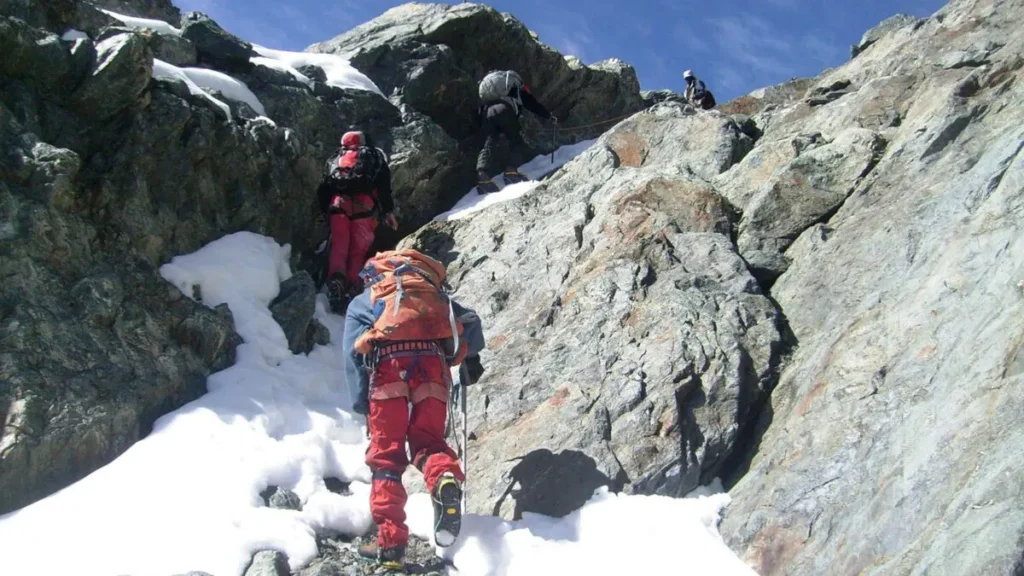
The mountain’s equatorial glaciers are among the last surviving ice fields on the African continent. They have retreated by over 80 percent since 1906, and projections indicate total disappearance within decades. This creates a compelling urgency for any expedition that includes glacier terrain: the experience of crossing glacial ice at the equator, available today on summit-bound expeditions to Mount Stanley, is one that future generations will not inherit. The five extraordinary vegetation zones through which all summit expeditions pass; montane rainforest, bamboo and giant heather, open heathland, afro-alpine moorland, and the nival glacier zone, create a landscape journey of escalating strangeness and beauty that is available on no other mountain trek in Africa. These are the landscapes that make Rwenzori trekking expeditions worth traveling from anywhere around the world to experience.
Why Rwenzori Trekking Expeditions Are in a Category of Their Own.
Africa has famous mountains. Kilimanjaro draws well over fifty thousand trekkers a year. Mount Kenya attracts serious technical climbers. The Virungas offer gorilla encounters alongside volcanic landscapes. But Rwenzori trekking expeditions are in a category of their own, and this is due to a mix of factors: exclusivity, biodiversity, technical terrain, and the quality of immersion that come together in a way that is unique in the world.
The exclusivity angle is quantifiable. The Rwenzori receives approximately 1,000 to 1,500 trekkers per year across all routes and all expedition types. That figure represents roughly one-thirtieth of Kilimanjaro’s annual visitor count. On any given day on the mountain, even during peak season, you will encounter perhaps one or two other trekking parties. The trail is yours in a way that is simply impossible on any of Africa’s more famous peaks. There are no queues, no crowded summit slopes, and no hundred-headtorch processions on the pre-dawn glacier ascent. The Rwenzori retains a quality of genuine wilderness discovery that the overwhelming majority of popular mountain destinations have long since lost.
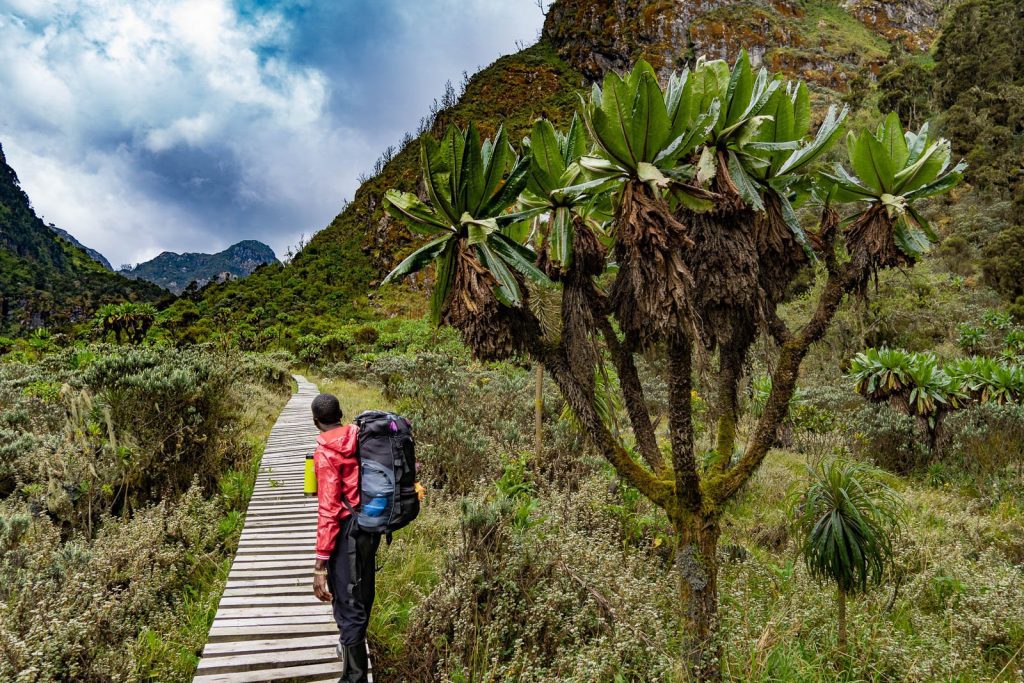
The biodiversity of the Rwenzori’s expedition landscapes is equally unmatched. Moving through the five vegetation zones on a summit expedition is not simply a matter of gaining altitude; it is a passage through five biologically distinct worlds, each with endemic species found nowhere else on earth. The Afro-alpine zone, with its cathedral forests of three-meter giant lobelias and six-meter giant groundsels, creates a reaction in experienced mountain travelers that the Kilimanjaro moorland or the Mount Kenya heath zones cannot match. Trekkers who have climbed both Kilimanjaro and the Rwenzori consistently describe the latter as the more extraordinary botanical experience.
The terrain of a Rwenzori trekking expedition is more technically demanding than Kilimanjaro, and this challenge is not a downside; it is part of what makes the experience so rewarding. The deep bogs, root-scrambled paths, and steep rock sections of the middle elevation zones demand genuine physical engagement and concentrated footwork. They cannot be navigated on autopilot. They require you to be present on the mountain, alert and alive to every step, unlike the wide, well-graded paths of most other African mountain treks.
All Rwenzori Trekking Expeditions at a Glance.
The expedition itineraries at Rwenzori Trekking Safaris include more than twenty distinct options, ranging from a single day in the forest to an eighteen-day all-peaks mountaineering expedition.
Short Treks (1–4 Days)
| Expedition | Duration | Difficulty | From (USD) | Route |
| 1-Day Nyabitaba Trek | 1 day | Moderate | $120 | 1-day Rwenzori trek to Nyabitaba Camp Central Circuit |
| 2-Day Lake Mahoma Hike | 2 days | Moderate | $280 | 2-day Rwenzori hike Lake Mahoma |
| 2-Day Sine Camp Trek | 2 days | Moderate | $250 | 2-day Rwenzori trek to Sine Camp |
| 3-Day Mahoma Loop | 3 days | Moderate | $700 | 3-day Mohama Loop hike |
| 3-Day Sine & Samalira Falls | 3 days | Moderate | $580 | 3-day Sine Samalira Camp hike |
| 4-Day Mutinda Lookout | 4 days | Challenging | $645 | 4-day Rwenzori Mutinda loop Kilembe |
| 4-Day Rwenzori Waterfalls Hike | 4 days | Challenging | $615 | 4-day Rwenzori Waterfalls hike Kilimbo Trail |
Classic Summit Expeditions (5–10 Days)
| Expedition | Duration | Difficulty | From (USD) | Route |
| 4-Day Margherita Peak (Fastest) | 4 days | Very Challenging | $1,300 | 4-day Rwenzori Trek, Margherita Peak |
| 5-Day Margherita Summit | 5 days | Very Challenging | $1,400 | 5-day Rwenzori trek to Margherita Peak |
| 5-Day Edward Peak / Mt. Baker | 5 days | Very Challenging | $1,200 | 5-day Rwenzori trek to Edward Peak |
| 5-Day Mount Speke Trek | 5 days | Very Challenging | $1,200 | 5-day mount speke trek, Rwenzori, Uganda |
| 6-Day Margherita (Central Circuit) | 6 days | Very Challenging | $1,400 | 6-day Rwenzori Mountains Trek, Margherita Peak |
| 6-Day Weismann Peak (Kilembe) | 6 days | Very Challenging | $1,200 | 6-day Rwenzori Weissmann Peak Expedition Kilimbo Trail |
| 7-Day Margherita (Central Circuit) | 7 days | Very Challenging | $1,400 | 7-day Margherita Peak climb |
| 7-Day Baker & Weismann (Kilembe) | 7 days | Very Challenging | $1,600 | Rwenzori Trekking Mount Baker Weismann 7 Days |
| 7-Day Mount Emin Trek | 7 days | Very Challenging | $1,200 | 7-day Mount Emin Trek, Uganda |
| 7-Day Mount Gessi Trek | 7 days | Very Challenging | $1,200 | 7-day Mount Gessi hike |
| 8-Day Margherita (Kilembe Trail) | 8 days | Very Challenging | $1,750 | 8-day Rwenzori trekking Kilimbo Trail Margherita Peak Uganda |
| 8-Day 3-Peaks (Stanley, Speke, Baker) | 8 days | Expert | $1,850 | 8-day Rwenzori 3 Peaks trek Stanley Speke Baker |
| 8-Day Cheptegei Peak (Kilembe) | 8 days | Very Challenging | $1,750 | 8-day Cheptegei Peak hike Kilembe Trail |
Grand Multi-Peak Expeditions (10–18 Days)
| Expedition | Duration | Difficulty | From (USD) | Route |
| 10-Day 4-Peaks (Margherita, Speke, Weismann, Baker) | 10 days | Expert | $2,000 | 10-day Rwenzori 4 Peaks Trek Margherita Speke Weissmann Baker |
| 13-Day 6-Peaks Grand Expedition | 13 days | Expert | $3,350 | 13 day Rwenzori trekking, hiking 6 peaks |
| 18-Day All-8-Peaks Expedition | 18 days | Expert/Elite | $4,050 | 18-day Rwenzori trek to all 8 peaks |
Combo Expeditions: Rwenzori + Uganda Safari
| Expedition | Duration | Difficulty | From (USD) | Route |
| 12-Day Rwenzori + Gorilla Trek | 12 days | Challenging | $5,800 | 12-day Rwenzori gorilla trekking |
| 16-Day Gorillas, Chimps & Rwenzori | 16 days | Challenging | $5,980 | 16-day Uganda gorilla and Rwenzori climbing |
| 18-Day Grand Safari + Rwenzori | 18 days | Challenging | $6,480 | 18-day Uganda safari, Rwenzori trek, gorillas |
| 19-Day Ultimate Uganda Adventure | 19 days | Challenging | $6,770 | 19-day Uganda Rwenzori Gorilla Big Five Nile Adventure |
Short Rwenzori Trekking Expeditions: One to Four Days in the Lower Mountains.
A widespread misconception about the Rwenzori is that it is relevant only to trekkers with summit ambitions and a full week to spare. The truth is that the mountain’s lower zones, including the montane rainforest, the bamboo groves, and the first heathland ridges, are among the most extraordinary landscapes in East Africa and are entirely accessible on shorter expeditions lasting one to four days. For travelers combining the Rwenzori with a broader Uganda itinerary, or for those with limited time who want a genuine taste of the mountain rather than a distant view from Kasese town, the short expedition options are not compromises. They are complete, deeply satisfying mountain experiences in their own right.
The One-Day Trek to Nyabitaba Camp
The 1-day trek to Nyabitaba Camp on the Central Circuit is the mountain’s most accessible entry point and an outstanding forest immersion experience. From the Nyakalengeji gate at 1,640 meters, the trail climbs steeply through increasingly tall montane rainforest along the Mubuku River, crossing wooden bridges over fast-running streams and ascending through a sequence of botanical environments that most visitors have never previously encountered. Nyabitaba Hut, at 2,651 metres, sits on a ridge with views across the Mubuku and Nyamwamba valleys that are among the finest you will see in this range. The round journey takes six to eight hours. This is the expedition we recommend as a first Rwenzori experience for travelers who are uncertain whether the full mountain program is right for them, and in our experience, the majority of people who complete this day return determined to book a summit expedition.
The Two-Day Lake Mahoma Hike.
The 2-day Lake Mahoma hike is one of the most consistently praised short expeditions in the Rwenzori program, combining a long ascent through the lower forest zone with an overnight stay at the beautiful glacial lake of Mahoma, set in a spectacular mountain bowl at approximately 2,960 meters. The lake itself, mirror-still on clear mornings and opaque and silver under mist, is one of the most photographed features in the lower Rwenzori, and the walk to it passes through a forest of remarkable biodiversity. L’Hoest’s monkeys are reliable companions along the trail, and the birdwatching from the lake shore at dawn is exceptional. This expedition is ideal for travelers with two days to spare and is one of the most requested short itineraries in our program.
The Two-Day Sine Camp Trek
On the Kilembe Trail, the equivalent short-expedition option is the 2-day Sine Camp trek, a nine-kilometer return journey to the first camp on the Kilembe route at 2,600 metres. The lower Kilembe Trail has its own distinctive character, passing through a forest that is extraordinarily rich in bird species and is notable for reliable sightings of the three-horned chameleon, one of the most extraordinary reptiles in East Africa. This is an ideal expedition for birdwatchers, wildlife photographers, and travelers who want a Kilembe Trail introduction without committing to the full summit program.
The Four-Day Expedition: Mutinda Lookout
The 4-day Mutinda Lookout trek on the Kilembe Trail is one of the most scenically rewarding expeditions in the entire Rwenzori program. Mutinda Camp sits at approximately 4,000 metres, and the views from its ridge north across the Nyamwamba Valley toward the summit massifs of Mount Stanley and Mount Baker are panoramic and breathtaking. The expedition employs the ‘climb high, sleep low’ acclimatization principle, which our guides use as a standard physiological strategy, and it serves as an outstanding preparation expedition for trekkers planning a future summit attempt.
The Three-Day Expedition: Sine & Samalira Falls
The 3-day Sine Camp and Samalira Falls trek on the Kilembe Trail adds a full day to the Sine Camp expedition, extending the route to the spectacular Samalira waterfall system before the return descent. These three-day options are the preferred choice for travelers who want more than a day walk but cannot accommodate a full summit expedition in their schedule.
The Four-Day Expedition: Rwenzori Waterfalls Hike.
The 4-day Rwenzori waterfalls hike on the Kilembe Trail follows the lower Nyamwamba Valley specifically to experience the series of spectacular waterfalls and gorges that the Nyamwamba River creates as it descends from the upper mountain. This is a uniquely scenic expedition with strong appeal for landscape photographers.
Classic Rwenzori Summit Expeditions: Reaching the High Peaks.
The centerpiece of the Rwenzori trekking expedition program is the classic summit expedition, an itinerary that carries trekkers through all five vegetation zones, across the glacier approach above Elena Hut or Margherita Camp, and to the summit of one or more of the range’s six major peaks. The flagship objective for most trekkers is Margherita Peak at 5,109 meters on Mount Stanley, Africa’s third-highest point and the culmination of any Rwenzori mountaineering expedition. But the program includes dedicated summit itineraries for all six massifs, and choosing the right combination of summit, route, and duration is one of the most important planning decisions you will make.
The 7-Day Margherita Peak Expedition
The 7-day Margherita Peak climb is the single most popular expedition in the Rwenzori and the itinerary that represents the benchmark Rwenzori mountaineering experience. 7 days is the sweet spot: long enough for a sound and relatively comfortable acclimatization profile, short enough to fit within a standard 2-week Uganda journey, and structured to deliver every major landscape zone.
8-Day Rwenzori Trekking Kilembe Trail
Our partnership with Rwenzori Trekking Services enables you to climb the Rwenzori Mountains on an 8-day trekking hike, providing a unique opportunity to hike the Moon Mountains along the Kilembe Trail, which is a well-developed trail. This 8-day Rwenzori trekking excursion begins and ends either in Kasese or Kampala. Just picture the mountain excitement and enjoyment you’ll experience after hiking the Rwenzori Mountains.
6 Days Weismann Peak Hike
Our Rwenzori treks accommodate both experienced hikers and those who are less confident in their trekking skills, despite the frequent extreme weather conditions, like unplanned rains. Whether your goal is to ascend Margherita, the third-highest mountain in Africa, or just appreciate the breathtaking scenery on the 6-day journey to Weismann’s Peak, trekking in the Rwenzori Mountains is an amazing experience in a short period of time
6-Day Rwenzori Trek Central Circuit Trail
The 6-day Rwenzori Hike on the Central Circuit Trail allows you to enjoy the beauty of the Rwenzori Mountains in a less strenuous and risky way than climbing them directly. The Central Circuit trek is a beautiful alternative for hikers in the Rwenzori Mountains. Marvel at the stunning scenery as you hike past the Bujuku Valley, Scott Elliot Pass, and the Kitandara Lakes.
7-Day Baker and Weismann Peak Expedition
The 7-day Mount Baker and Weismann Peak expedition is one of the most rewarding itineraries in the program for trekkers who want two major summits without the full glacier demands of a Margherita attempt. This expedition traverses the southwestern sectors of the range, combining Edward Peak on Mount Baker at 4,843 meters with Weismann Peak on Luigi di Savoia, in a sequence of landscapes that is distinctly different from the Central Circuit Bujuku Valley approach.
8-day Cheptegei Peak trek via the Kilembe Trail
The Kilembe Trail is a popular hiking trail in the Rwenzori Mountains. It takes 8 days to get to Cheptegei Peak, which is 4907 meters high. Sine Camp, Mutinda Camp, and Margherita Camp are some of the common places to camp on this hike. Cheptegei Peak is the final goal. Before going back to base camp, the descent takes a different road that might go through the Nyamwamba Valley.
Grand Multi-Peak Rwenzori Expeditions: The Crown of the Mountains of the Moon.
For trekkers who come to the Rwenzori with the ambition to go further than a single summit and want to complete the range rather than merely enter it, the multi-peak expedition program is the most ambitious and rewarding mountain itinerary available anywhere in Africa. These are expeditions that require extended time on the mountain, strong fitness, excellent acclimatization management, and guiding expertise that goes well beyond the standard summit route. They are among the experiences we are most proud to offer, and they represent the full depth of our specialist knowledge of the Rwenzori range.
The 8-Day Three-Peaks Expedition: Stanley, Speke, and Baker.
The 8-day three-peaks expedition targeting Mount Stanley, Speke, and Baker is the entry point to multi-peak Rwenzori mountaineering and one of the most logistically elegant itineraries in the program. In eight days, you summit the three highest massifs in the range: Margherita Peak at 5,109 metres on Mount Stanley, Vittorio Emanuele at 4,890 metres on Mount Speke, and Edward Peak at 4,843 metres on Mount Baker, completing a traversal of the Bujuku basin that represents the most comprehensive single-expedition experience of the Central Circuit zone. The itinerary demands genuine high-altitude fitness and acclimatization, but for well-prepared, experienced trekkers it is achievable and profoundly satisfying.
The 10-Day Four-Peaks Expedition
The 10-day four-peaks expedition targeting Margherita, Speke, Weismann, and Baker adds Weismann Peak on Luigi di Savoia to the three-peaks circuit, extending the high-altitude traversal into the southwestern sectors of the range and delivering a more complete experience of the mountain’s upper geography. This expedition is an ideal middle ground for trekkers who want to go beyond the standard Margherita objective without committing to the full six-peak expedition. Four summits over ten days at the right pace create an experience of rhythm and altitude management that is, for many experienced mountain travelers, the sweet spot in the Rwenzori multi-peak program.
The 13-Day Six-Peaks Grand Expedition
The 13-day six-peaks grand expedition is the most comprehensive Rwenzori trekking expedition available within a conventional mountaineering time frame. Summiting all six major massifs, Mount Stanley, Mount Speke, Mount Baker, Mount Luigi di Savoia, Mount Emin, and Mount Gessi, over thirteen days is the definitive Rwenzori mountaineering achievement for any trekker or climber. Very few operators in the world have the guide expertise, route knowledge, and logistical capability to deliver this expedition safely and successfully. We are one of them. The six-peaks expedition demands elite physical preparation, advanced acclimatization management, and a genuine willingness to be on the mountain for thirteen full days in all conditions. For those who meet those requirements, it is the most extraordinary mountain experience we offer.
The 18-Day All-Peaks Expedition: The Definitive Rwenzori Achievement
At the absolute summit of Rwenzori mountaineering ambition stands the 18-day expedition that covers all eight named Rwenzori summits. This is not simply the longest available expedition; it is the completion of the Rwenzori range by any measure, representing the exhaustive traversal of every major peak and every major summit objective that the mountain offers. The trekkers who complete this expedition join an extraordinarily select group. Eighteen days in the Rwenzori, at the altitudes and in the conditions that this range presents, is a genuine physical and psychological undertaking that requires months of dedicated preparation and the most experienced guiding team we have. The outcome, standing on the summit of the last peak at the end of the eighteenth day, is not merely a mountain achievement. It is a categorical statement about what a human being can commit to and complete.
Rwenzori Trekking Expeditions Combined with Uganda’s Wildlife.
Uganda safaris and Rwenzori trekking expeditions combine with a naturalness and a complementarity that makes the joint itinerary, in my opinion, the finest two-week adventure experience available anywhere on the African continent. The mountain sits at the center of a region dense with extraordinary wildlife, and the journey from a glacier crossing at 5,109 metres to a ground-level encounter with mountain gorillas in the forests of Bwindi is one that stays with every traveler who makes it for the rest of their lives.
The 12-Day Rwenzori and Gorilla Trekking Expedition
The 12-day Rwenzori and gorilla trekking combination is the most requested itinerary in our combined expedition program. Seven days on the Rwenzori, including a Margherita Peak summit attempt, followed by a transfer to Bwindi Impenetrable Forest, approximately four hours from Kasese by road, for a gorilla trekking permit experience in the presence of mountain gorillas. The combination of these two experiences within a single twelve-day Uganda journey delivers a breadth of natural wonder unavailable anywhere else: glacier ice one week, lowland forest and silverback gorillas the next. Gorilla permits should be booked three to six months in advance and are included in the planning service we provide for all combination expeditions.
Grand Uganda Safari & Rwenzori Trek
This 18-day Uganda safari includes gorilla trekking in Bwindi; chimpanzee tracking in Kibale; classic wildlife safaris in Murchison Falls, Queen Elizabeth, and Lake Mburo National Parks; a multi-day trek in the Rwenzori Mountains; boat cruises on the Nile River and Kazinga Channel; cultural encounters; and relaxation at Lake Bunyonyi. Travelers will experience Uganda from its lowest plains to its high alpine zones: tracking rhinos on foot, cruising the Nile beneath thunderous waterfalls, hiking through Afro-montane forests and glacial valleys, and standing face-to-face with mountain gorillas in Bwindi. This itinerary is designed for active travelers seeking depth, diversity, and a true sense of exploration rather than a rushed highlights safari.
Margherita Peak Summit, Chimpanzee & Gorilla Trekking Safari.
This 16-day Uganda adventure is designed for travelers who want it all: a technical summit of Margherita Peak (5,109 m) in the Rwenzori Mountains, immersive chimpanzee trekking in Kibale Forest, classic wildlife safaris in Queen Elizabeth National Park, and unforgettable gorilla trekking in Bwindi Impenetrable Forest.
Rwenzori Hike, Gorilla & Chimpanzee Trek + Big Five Safari & Nile Rafting
Climb the Rwenzori Mountains, hike with gorillas and chimps, see the Big Five, cruise the Nile and Kazinga Channel, and go white-water rafting. Make your once-in-a-lifetime safari to Africa today. The Ultimate Uganda Adventure includes seeing the Big Five on safari, rafting the Nile, trekking with gorillas and chimpanzees, and hiking the Rwenzori Mountains in just 19 days.
What Every Rwenzori Trekking Expedition Includes.
Every expedition we operate, from the 1-day forest walk to the 18-day all-peaks completion, is a fully guided, fully serviced mountain experience. To plan your budget and gear list accurately, you need to understand what the expedition cost includes.
All expeditions include Uganda Wildlife Authority national park fees for the duration of your time on the mountain. They include the services of a UWA-certified lead guide, the appropriate number of assistant guides based on group size, and a full porter team carrying equipment, food, and cooking supplies from camp to camp. All mountain hut accommodation or camping arrangements on the trail are included and pre-arranged. The expedition cost includes all meals on the mountain, such as breakfast, lunch carried on the trail, and dinner cooked at the camp. The guide team provides and carries the technical equipment required for the summit approach: crampons and ice axes for glacier crossings, fixed ropes where the route demands them, and first aid supplies appropriate to the mountain environment. The expedition logistics team coordinates travel to and from the trailhead in Kasese.
Expeditions do not include personal trekking gear, sleeping bags, and clothing, which trekkers need to arrange independently. The complete Rwenzori packing list specifies every item required. Trekkers are also responsible for their travel insurance, and this requirement is absolutely non-negotiable. A policy covering high-altitude rescue, helicopter evacuation, and emergency medical treatment at altitude is required. Our Rwenzori travel insurance guide specifies exactly what cover is necessary. Tips for the guide and porter team are not included in the expedition price and are given directly to them at the end. Our guide to tipping Rwenzori porters and guides provides clear norms and the standard ceremony for distributing tips.
What a Rwenzori Trekking Expedition Actually Feels Like.
No written guide can fully prepare you for the experience of a Rwenzori trekking expedition, but I can give you an honest and detailed account of what to expect, day by day, at the level of physical sensation and landscape experience, from the perspective of someone who has made this journey many hundreds of times. This is not a promotional narrative. It is the truthful description of what the mountain asks and what it offers.
The First Two Days: Into the Forest
The first morning of any Central Circuit expedition begins at the Nyakalengeji gate with a briefing from your lead guide, a final pack check, and the signing of the park register. The first hour on the trail is steep and often humid: the lower forest is thick, dark, and alive with sound, and the trail climbs immediately on loose, root-crossed earth. Within ninety minutes, the sounds of Kasese valley have entirely disappeared and you are inside the mountain. By the time you reach Nyabitaba Hut at 2,651 metres, the forest will have introduced you to several species you have almost certainly never seen before, including L’Hoest’s monkeys watching with proprietary authority from the mid-storey branches.
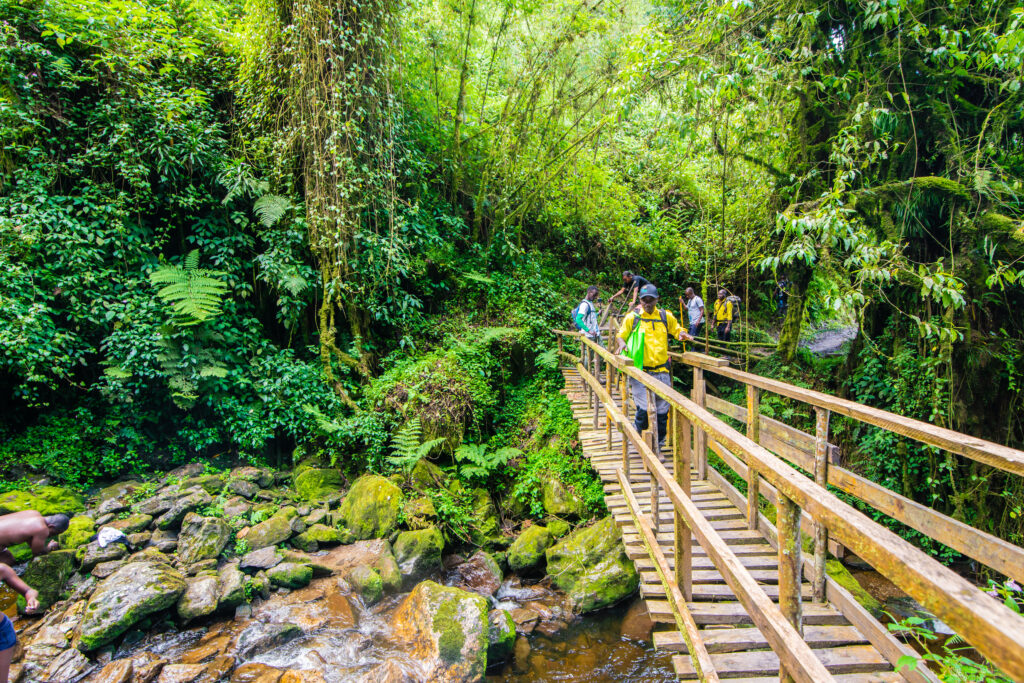
Day two moves through the transition from montane forest into the first bamboo and giant heather sections, and it introduces the Rwenzori’s most notorious terrain feature: the bog. The first bog sections are modest ankle-deep mud beneath a layer of sphagnum moss, bridged in places with wooden planks or stone steps. They are a preview of what lies above. The air cools noticeably as you move through the bamboo zone, and by the time you reach John Matte Hut at 3,414 metres, the mountain has the distinctly alpine quality of being cold, damp, and strongly vertical that will define the rest of the expedition.
Days Three and Four: The Bujuku Valley and the Afro-Alpine World
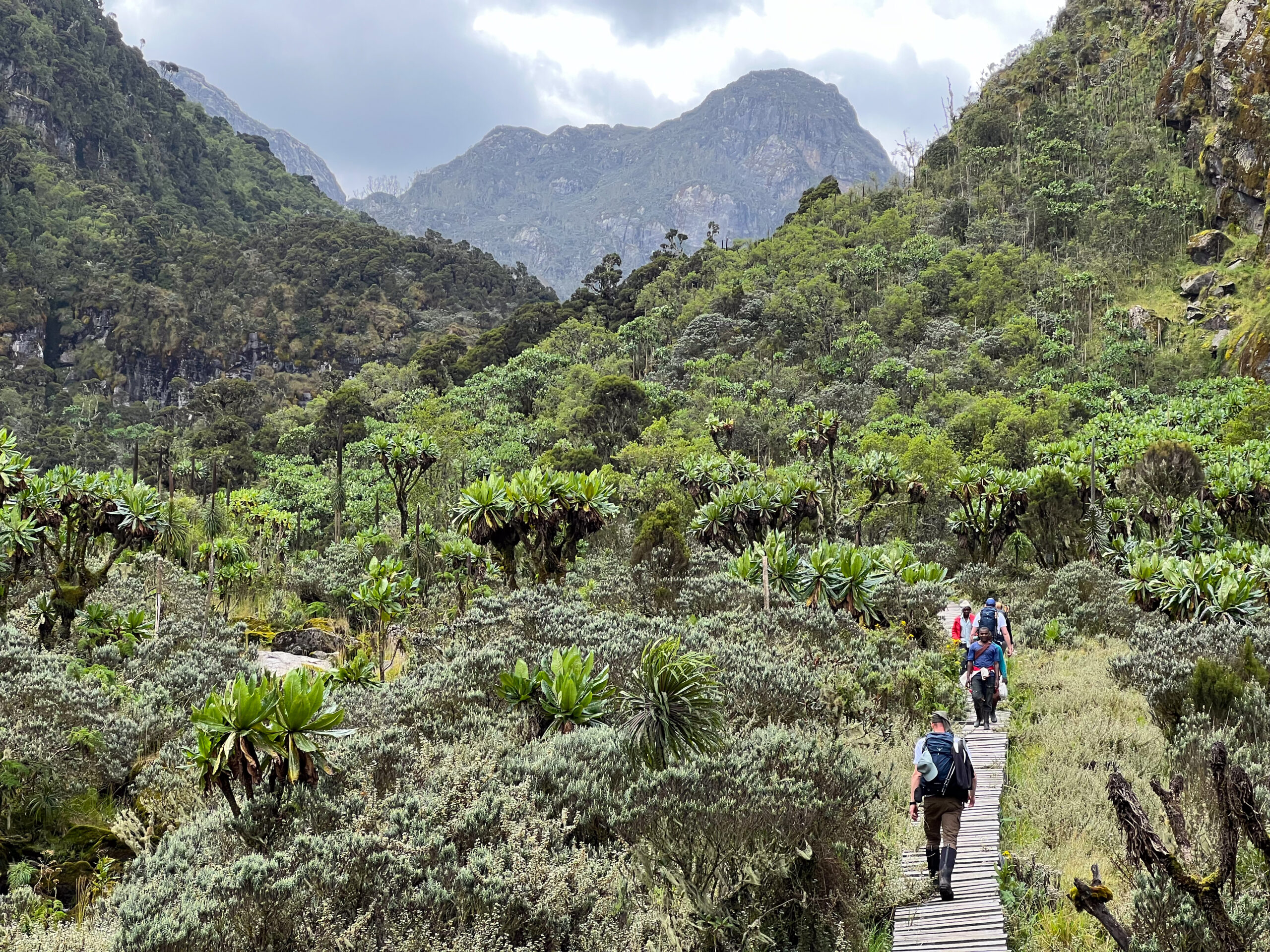
Day three, ascending to Bujuku Hut at 3,977 metres, is when the Rwenzori reveals its most famous and most extraordinary landscape. The path enters the afro-alpine moorland, and the world shifts its register entirely. Giant groundsels rise above the path like botanical sentinels, their trunks wrapped in layers of dead leaves, their crowns bearing clusters of silver-grey flowers. Three-meter lobelias line the ridge sections. The bog deepens; this area is where the famous Rwenzori mud reaches its full depth and demands its most concentrated attention. And above it all, the dark rock faces of Mount Speke and Mount Baker close the valley in a setting of severe, magnificent grandeur.
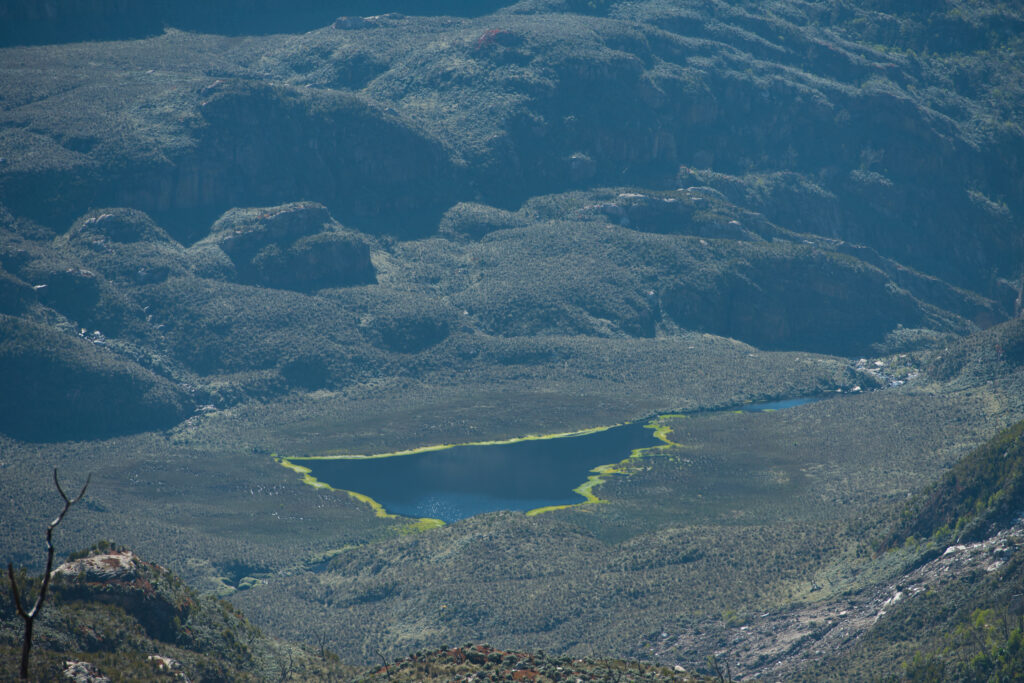
Day four, the acclimatization day, is one of the most rewarding of the entire expedition. The climb to Freshfield Pass is a morning’s work, and the views from the top are among the finest on any African mountain: a panorama of the full Bujuku basin, the three great massifs rising around you, and the first clear sight of the upper glacier on Mount Stanley. This day exists specifically to allow your body to adjust to 4,372 metres before the summit push, and it is also, entirely independently of its physiological function, one of the most remarkable mountain experiences of the program.
Summit Day: The Glacier and Margherita Peak
Summit day begins at 2:00 or 3:00 AM from Elena Hut at 4,541 metres. The temperature is below zero, the darkness is absolute, and the first task is to layer up and fit your crampons by headtorch while your guide briefs the team. The approach to the glacier base is rocky and steep, crossing terrain that was icebound a decade ago and now lies exposed to the stars. Above the base, fixed ropes lead up steep rock to the glacier entry point, where your guide clips the team and the technical phase of the expedition begins.

The Stanley Plateau, once you reach it, is a world unlike anything below. You are walking on permanent glacial ice at the equator, one of the rarest environments on earth, with the sky lightening to the east over Uganda and the Congolese lowlands dark and flat to the west. The final approach to Margherita Peak itself is a steep snow slope, and the summit is marked by a fixed rope anchor and the extraordinary stillness that comes with being at 5,109 metres in the first light of a Rwenzori morning. What each trekker feels in that moment is their own. What I observe, having witnessed it many hundreds of times, is something that looks very much like the complete resolution of a long and serious intention. If you want an honest account of the full summit-day experience, our detailed Margherita Peak summit guide covers every element of the approach, the glacier crossing, and the return descent.
Planning Your Rwenzori Trekking Expedition: The Essential Decisions.
How to Choose the Right Expedition Duration.
Duration is the single most consequential expedition planning decision and the one most commonly under-estimated. The relationship between duration and summit success rate on the Rwenzori is direct and measurable: trekkers on 8-day itineraries consistently achieve better physiological outcomes at summit altitude than trekkers on 6-day itineraries, and both achieve better outcomes than trekkers on 4-day formats. Our analysis of the factors that determine summit success on Margherita Peak identifies acclimatization time as the most significant variable, more important than fitness level, age, or prior mountain experience. Choose your duration with full awareness of this relationship.
For a first Rwenzori expedition targeting Margherita Peak, the 7-day Central Circuit or 8-day Kilembe Trail formats are the recommended standard. For trekkers with prior high-altitude experience (above 4,000 metres) who are comfortable with a faster ascent profile, the 6-day format is workable. The full guide to how long a Rwenzori expedition takes covers every available itinerary option in detail.
Fitness and Preparation for a Rwenzori Expedition.
Arriving physically prepared for a Rwenzori trekking expedition is one of the most direct ways to improve your experience and your outcome on the mountain. Our 16-week training plan was made for Rwenzori expedition conditions and focuses on the four physical qualities the mountain really tests: cardiovascular endurance for long steep climbs, lower-body strength for uneven and root-scrambled terrain, ankle stability for side-to-side movements on complex trail surfaces, and core strength for balance and carrying loads. The most effective single training exercise is long, loaded hiking: walking with a weighted pack over uneven terrain for three or more hours at a stretch. This is the movement pattern the mountain will require of you for five to eight hours a day, and the specific fatigue it produces cannot be adequately replicated on flat ground or a treadmill. Our full fitness assessment guide provides honest baseline fitness benchmarks for every expedition tier.
Gear: What a Rwenzori Expedition Actually Requires.
The most important gear decision for any Rwenzori expedition is footwear. Standard waterproof hiking boots, however technically specified or expensively branded, are inadequate for the Rwenzori’s deep bogs. The correct footwear is a rubber Wellington-style boot worn over neoprene sock liners, which provides waterproof protection from the sole up and keeps feet dry through bog crossings that no conventional boot can survive. Getting this decision wrong is the most common and most preventable source of misery on a Rwenzori expedition. Our comprehensive Rwenzori boot guide explains this issue in full and provides specific recommendations for the conditions on each route.

Beyond footwear, the key expedition gear priorities are a sleeping bag rated to at least minus ten degrees Celsius for the high camps; a complete waterproof outer layer capable of sustaining all-day rain; a layering system that manages both the humid warmth of the forest zone and the dry, sub-zero cold of summit altitude; trekking poles for bog navigation and steep descents; and a headtorch with spare batteries for the pre-dawn summit start. The complete packing list for the Rwenzori expedition covers every item in detail.
The Best Time for a Rwenzori Expedition.

The best time for a Rwenzori trekking expedition requires more nuance than the standard East Africa dry-season rule suggests. The Rwenzori receives precipitation year-round, and there is no month in which you will not encounter rain at some point during a summit expedition. The two drier windows, December through February and June through August, deliver lower rainfall, more manageable trail conditions, and more frequent summit weather windows. June to August is peak season, attracting the highest concentration of annual visitors; though even at the busiest periods, the mountain rarely feels crowded by any standard measure. The wet season months March through May and October to November bring heavier rainfall and reduced summit visibility but also lower costs, fewer other trekking parties, and a distinctly intensified wilderness quality that many experienced mountain travelers actively prefer. A properly geared, experienced expedition can succeed in any season on the Rwenzori.
What a Rwenzori Trekking Expedition Costs in 2026
A fully guided Rwenzori summit expedition, covering national park fees, guide and porter wages, mountain hut accommodation, all meals on the mountain, and agency logistics, typically costs between USD 1,200 and USD 3,500 per person for a 7–8-day itinerary. Multi-peak expeditions are priced proportionally above the base cost, with the 13-day six-peaks grand expedition from USD 3,350 and the 18-day all-peaks expedition from USD 4,050. The complete 2026 expedition cost breakdown provides exact per-person pricing for every itinerary in the program, with clear cost breakdowns by group size. For those managing a tighter budget, our Rwenzori expedition guide for budget travelers identifies genuine cost-reduction strategies without compromising guide quality or safety.
Health, Safety, and Altitude Management on a Rwenzori Expedition.
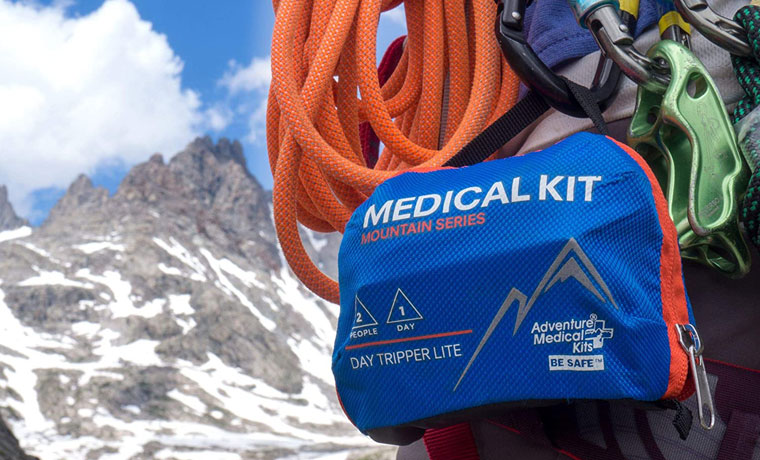
The complete medical guide to Rwenzori expeditions covers altitude sickness, hypothermia, trench foot, and the full spectrum of health challenges that these mountains present. Altitude sickness is a genuine and serious risk at 5,109 metres, and the Rwenzori’s wet, cold conditions can obscure its early signs in ways that the drier conditions of Kilimanjaro do not. Every guide in our team tracks trekkers daily for AMS symptoms and will enforce descent if those symptoms progress. The Rwenzori safety record is excellent when expeditions are managed professionally, and the UWA’s mandatory guide requirement significantly enhances safety. Travel insurance covering high-altitude rescue and helicopter evacuation is mandatory for all expeditions, not optional and not negotiable.
Getting to the Rwenzori for Your Expedition.
The gateway to all Rwenzori trekking expeditions is Kasese town in western Uganda, approximately six hours by road from Entebbe International Airport. Domestic flights to Kasese Airport are available on select days via regional carriers and reduce the transfer time to approximately one hour. Our complete travel guide to reaching the Rwenzori covers all transport options from Entebbe, Kampala, Kigali, and Nairobi. Most trekkers spend one night in Kasese before an expedition begins; our pre- and post-expedition accommodation guide covers all available options around both the Central Circuit and Kilembe trailheads.
For Older and First-Time TrekkersThe Rwenzori is more achievable than its reputation suggests, provided the preparation is right and the itinerary is long enough. Our guides have led trekkers in their sixties and seventies to Margherita Peak. The critical variable is not age; it is physical fitness and the willingness to allow adequate acclimatization time. Read our honest guide for older Rwenzori trekkers and our complete first-timer’s guide before making your decision. |
Your Guide and Porter Team: The Heart of Every Rwenzori Expedition.
Every Rwenzori trekking expedition is a team expedition, and the quality of your guide team is the single most important factor, more important than your fitness, your gear, or your chosen itinerary in determining both the safety and the richness of your experience. The Uganda Wildlife Authority requires that all expeditions within Rwenzori Mountains National Park have a UWA-certified lead guide at all times. This is not bureaucratic formality; it is the recognition of a genuine truth about the mountain. The Rwenzori’s terrain is complex, its weather is unpredictable, and its summit approaches require technical knowledge that no amount of self-guided research can substitute.
Every guide working on Rwenzori Trekking Safaris expeditions is a UWA-certified, experienced Bakonzo mountain professional, a member of the indigenous community who has lived on and around these slopes for generations and whose family has guided expeditions on this mountain since before the first international tourists arrived. Their knowledge of the trail, the camps, the weather patterns, and the individual characters of every valley and ridgeline is the product of a lifetime’s accumulation, and it is entirely irreplaceable by any other form of mountain preparation. Our complete guide to Rwenzori expedition porters and guides explains the full team structure, the role of each team member, and how the expedition logistics are managed from the trailhead to the summit and back.
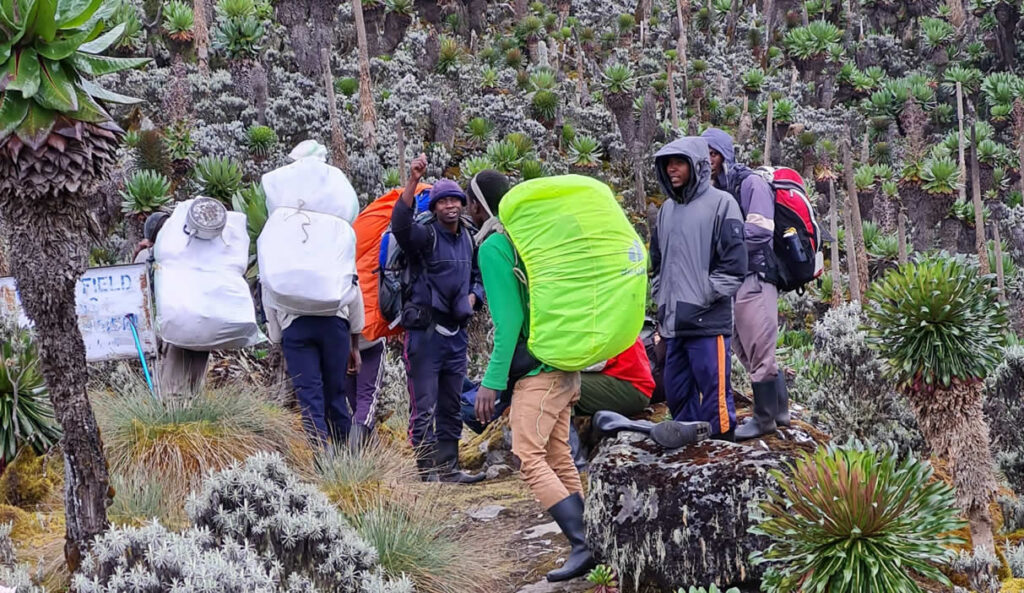
Treating your guide and porter team with the respect their expertise deserves and tipping them appropriately at the end of the expedition is not merely courteous. It is an expression of responsible mountain tourism and a direct contribution to the economic well-being of the Bakonzo communities whose highland villages surround the national park. Our porter and guide tipping guide provides transparent norms and the expected ceremony for distributing tips at the expedition’s close.
Choosing the Right Rwenzori Trekking Expedition for Your Objectives
With more than twenty distinct expedition itineraries across four routes and three categories of summit ambition, the Rwenzori program can feel genuinely complex to navigate from the outside. The following framework is how I guide every prospective trekker through the decision in a WhatsApp consultation.
Start with your available time. If you have fewer than five days on the mountain, choose a short expedition in the lower mountain: the 2-day Mahoma hike, the 3-day Mahoma Loop, or the 4-day Mutinda Lookout. If you have five to eight days, the standard summit expeditions via the Central Circuit or Kilembe Trail are appropriate. With nine to thirteen days on the mountain, you can start to explore the multi-peak expedition program. The grand all-peaks expedition is within range if you have more than thirteen days.
Next, consider your primary objective. If you want Margherita Peak, the 7-day Central Circuit or 8-day Kilembe Trail formats are the recommended standard. If you want multiple summits, identify the specific peaks; our full peaks overview covers every major Rwenzori summit in detail, and work with us to build the right multi-peak itinerary. If you have no specific summit objective and are primarily interested in the landscape and wildlife of the lower and middle mountain zones, the short expeditions deliver that experience comprehensively without requiring summit fitness or summit time.
Finally, consider your experience level honestly. If this trip is your first visit above 3,000 metres, choose a longer itinerary than the minimum. If you have extensive high-altitude experience, the faster formats are workable. Our guides are available via +256 773 256 104 for real-time consultations on every aspect of expedition planning, and the comprehensive Rwenzori FAQ guide answers over 100 common questions about expedition planning in detail.



Frequently Asked Questions About Rwenzori Trekking Expeditions.
What is a Rwenzori trekking expedition and what does it involve?
A Rwenzori trekking expedition is a fully guided mountaineering or hiking journey within Rwenzori Mountains National Park in western Uganda, a UNESCO World Heritage Site also known as the Mountains of the Moon. Expeditions range from 1-day forest walks to 18-day all-peaks mountaineering programs, with the most popular objective being the summit of Margherita Peak at 5,109 metres on Mount Stanley. All expeditions are led by UWA-certified guides, operate on maintained trail systems with fixed mountain hut or camping infrastructure, and include full meal and porter services on the mountain. Summit expeditions of 6 days or longer involve glacier terrain above Elena Hut or Margherita Camp, requiring crampons and ice axes provided by the guide team.
How many days does a Rwenzori trekking expedition to Margherita Peak take?
The recommended standard for a Margherita Peak summit expedition is 7 days via the Central Circuit Trail or 8 days via the Kilembe Trail. These durations provide the best balance of acclimatization safety and logistical efficiency for most trekkers. Shorter formats, 5 or 6 days, are available for experienced high-altitude trekkers. The 4-day summit format is the fastest available and carries the highest altitude risk. Multi-peak expeditions targeting two or more massifs require 8 to 18 days depending on the specific peaks included. The full breakdown of all available durations is in our guide to how long a Rwenzori expedition takes.
How difficult are Rwenzori trekking expeditions compared to Kilimanjaro?
Rwenzori trekking expeditions are generally considered harder than Kilimanjaro, primarily because of terrain complexity rather than altitude. Kilimanjaro’s summit at 5,895 metres is higher than Margherita Peak at 5,109 metres, but Kilimanjaro’s trekking routes follow broad, well-maintained paths on a conical volcanic structure. The Rwenzori’s trails involve deep bogs, root-scrambled slopes, steep rock sections, and complex navigation that demands far more physically than Kilimanjaro’s terrain. Summit day on the Rwenzori also involves a glacier crossing with crampons and ice axes, technical terrain absent from all standard Kilimanjaro routes. Our detailed comparison of Rwenzori versus Kilimanjaro difficulty provides the full, honest analysis.
What is included in the price of a Rwenzori trekking expedition?
All Rwenzori trekking expeditions include: Uganda Wildlife Authority national park fees for the full expedition duration, UWA-certified lead guide and assistant guides, a full porter team for equipment and food, all mountain hut accommodation or designated camping arrangements, all meals on the mountain (breakfast, trail lunch, and dinner), technical summit equipment including crampons and ice axes, first aid supplies and emergency equipment, and transfer coordination from Kasese to the trailhead. Excluded from the expedition price are personal trekking gear and clothing; sleeping bags; international flights and Uganda visas; travel insurance (mandatory); gratuities for the guide and porter team; and personal spending. The complete 2026 expedition cost breakdown provides exact per-person pricing for every itinerary.
Can beginners attempt a Rwenzori trekking expedition?
Well-prepared first-time mountain trekkers can achieve Rwenzori trekking expeditions by choosing an appropriately long itinerary and following a structured fitness preparation program. The mountain is not recommended for those with no prior hiking experience, but it is entirely within reach for fit, motivated first-timers who treat preparation seriously. The key requirements are genuine cardiovascular fitness, strong legs, and the right gear, particularly the correct footwear. Choosing a 7 or 8-day itinerary rather than a shorter format is especially important for first-timers, as it provides the acclimatization time that beginners need most. Our complete first-timer’s guide to the Rwenzori is the most detailed and honest resource available on this question.
What is the best Rwenzori trekking expedition for experienced mountaineers?
For experienced mountaineers with prior high-altitude experience, the 13-day six-peaks grand expedition is the most comprehensive challenge the Rwenzori program offers within a conventional timeframe, summiting all six major massifs. The 18-day all-eight-peaks expedition is the definitive completion of the range by any measure and is suitable for elite trekkers seeking the full Rwenzori achievement. For those with specific technical interests, the lesser-visited peaks, Mount Emin and Mount Gessi in particular, offer summit experiences of genuine exploratory character that the standard Margherita route cannot provide.
What is the best time of year for a Rwenzori trekking expedition?
The two preferred windows for Rwenzori trekking expeditions are December through February and June through August, when rainfall is at its lowest and summit weather windows are most frequent. June to August is peak season. The wet season months, March through May and October to November, bring heavier rain, muddier trails, and reduced summit visibility but also fewer other trekkers, lower combination package costs, and an intensified wilderness atmosphere. The Rwenzori receives some rain in every month of the year, and with properly waterproof gear and experienced guides, successful expeditions are conducted year-round. The full Rwenzori seasonal weather and expedition timing guide covers every seasonal variable in detail.
Do I need special gear for a Rwenzori trekking expedition?
Yes, gear requirements for Rwenzori expeditions differ meaningfully from those for other East African mountains. The most critical distinction is footwear: standard waterproof hiking boots are inadequate for the Rwenzori’s deep bogs and saturated trail conditions. Rubber Wellington-style boots worn over neoprene sock liners are the correct choice, and getting this right is the single most impactful gear decision you can make. Other expedition-specific requirements include a sleeping bag rated to minus 10°C for the high camps; a full waterproof outer layer; a layering system designed for both humid forest warmth and sub-zero summit conditions; and trekking poles essential for bog navigation. The guide team provides crampons and ice axes; these are included in expedition costs.
How much does a Rwenzori trekking expedition cost in 2026?
A fully guided Rwenzori summit expedition covering national park fees, guide and porter wages, mountain hut accommodation, all meals on the mountain, and agency logistics typically costs between USD 1,200 and USD 3,500 per person for a 7–8-day itinerary, depending on group size and route. Short lower-mountain expeditions start from approximately USD 120 to USD 700. Multi-peak grand expeditions range from USD 2,000 for the 10-day four-peaks format to USD 4,050 for the 18-day all-peaks completion. Combination expeditions including gorilla trekking or broader Uganda safaris are priced higher. The complete cost breakdown for the 2026 Rwenzori expedition provides exact per-person figures for every itinerary.
Are guides mandatory on Rwenzori trekking expeditions?
Yes, absolutely. The Uganda Wildlife Authority requires all trekkers within Rwenzori Mountains National Park to be accompanied by a UWA-certified guide at all times on all routes and all expedition types; there are no exceptions. This requirement reflects both the genuine navigational complexity of the Rwenzori’s terrain and the importance of supporting the Bakonzo mountain communities whose livelihoods depend on mountain tourism. Solo, self-guided trekking is not permitted under any circumstances. All guides working with Rwenzori Trekking Safaris are UWA-certified, experienced Bakonzo mountain professionals whose families have guided in these mountains for generations.
Can I combine a Rwenzori trekking expedition with gorilla trekking in Uganda?
Yes, and this combination is the most requested and most rewarding itinerary combination we offer. Bwindi Impenetrable Forest, home to approximately half the world’s remaining mountain gorillas and the primary destination for gorilla trekking in Uganda, is approximately four hours by road from Kasese. Our 12-day Rwenzori and gorilla trekking expedition delivers both experiences within a twelve-day itinerary: a summit glacier crossing on the Rwenzori and a ground-level encounter with mountain gorillas in Bwindi, representing the finest two-week natural adventure available anywhere on the African continent. Gorilla permits should be booked three to six months in advance and are arranged as part of our combined expedition planning service.